
Choosing a trucking school is a significant investment in your future, and one of the first questions many prospective drivers ask is about CDL school cost in Texas. While there isn't a single price that applies to every program, understanding what influences tuition can help you compare schools more confidently and make an informed decision.
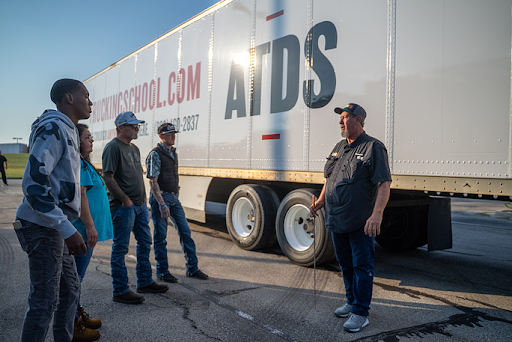
Choosing a trucking school is a significant investment in your future, and one of the first questions many prospective drivers ask is about CDL school cost in Texas. While there isn't a single price that applies to every program, understanding what influences tuition can help you compare schools more confidently and make an informed decision.
Rather than focusing only on the dollar amount, it's important to consider everything included in your training. The quality of instruction, access to equipment, testing opportunities, scheduling flexibility, and available financial assistance can all affect the overall value of your investment. By looking beyond the sticker price, you can choose a program that prepares you for long-term success instead of simply finding the lowest upfront cost.
When comparing programs, remember that not every school includes the same services. One program may appear less expensive initially but charge additional fees throughout training, while another bundles everything into one comprehensive package.
Many quality CDL programs include:
Some schools also provide added value through career services, job placement assistance, or on-site testing opportunities. These features may increase overall value without necessarily increasing your out-of-pocket expenses. Quality CDL programs may also offer hands-on instruction using modern equipment, flexible weekday and weekend schedules, third-party CDL testing, and recognized certifications as part of their training.
Several factors influence CDL tuition, which explains why estimates can differ from one school to another.
Accelerated full-time programs often require a larger time commitment over a shorter period, while weekend programs spread training across additional weeks to accommodate students who continue working. Flexible scheduling options can make training more accessible depending on your personal circumstances.
Schools that maintain modern tractors, multiple training vehicles, private practice ranges, and experienced instructors typically invest significantly in their equipment and facilities. These resources help students build confidence in real-world driving situations.
Some programs include access to third-party CDL testing or coordinate testing as part of the training experience. Having testing available through the school may simplify the process and reduce scheduling challenges. Depending on the school, students may have access to state-approved third-party examiners in addition to DPS testing locations.
Career assistance, admissions guidance, and post-graduation resources also contribute to the overall value of a training program. Schools with strong relationships throughout the trucking industry may provide additional support as graduates begin searching for employment and connecting with reputable carriers.
Most private CDL programs generally fall within a range of several thousand dollars, although exact pricing depends on the school, location, and what is included. Programs offering comprehensive classroom instruction, extensive driving time, modern equipment, and testing services may cost more than basic training options.
Instead of comparing schools based solely on CDL training cost, ask questions such as:
A lower price may not represent the best value if important components are excluded.
For many students, paying tuition all at once isn't practical. Fortunately, several funding opportunities may help reduce the immediate financial burden. Depending on eligibility, students may have access to:
Because eligibility varies, speaking with an admissions representative is often the best way to understand which programs may apply to your individual situation.
Every student's financial situation is different, which is why many schools work to provide flexible payment options instead of requiring every student to pay the full balance upfront.
Financing options, workforce assistance programs, and community college partnerships may all help make CDL training more affordable, depending on the school and a student's eligibility. Speaking with an admissions representative is the best way to learn which opportunities may be available.
If affordability is a concern, ask questions early in the enrollment process. Financial guidance may reveal opportunities you didn't realize were available. While cost matters, the return on your investment is equally important.
Choosing a trucking school involves balancing cost, training quality, convenience, and career preparation. Asking thoughtful questions and understanding exactly what your tuition includes can help you avoid unexpected expenses while selecting a program that supports your long-term goals.
If you're researching CDL school cost in Texas, remember that the best value often comes from comprehensive training, experienced instructors, modern equipment, and access to financial assistance. Not simply the lowest advertised price.
At ATDS Truck Driving School, we're happy to answer your questions about our training programs, financing opportunities, and enrollment process. Contact us today to learn more about your options and take the next step toward earning your CDL.