
Starting a job path in the trucking industry is about much more than learning how to steer a tractor-trailer down the highway. A quality CDL driving school helps students build the technical skills, confidence, safety awareness, and professionalism needed to operate commercial vehicles responsibly in real-world conditions. At ATDS Truck Driving School, students receive a combination of classroom education, hands-on range instruction, and highway driving experience.
Starting a job path in the trucking industry is about much more than learning how to steer a tractor-trailer down the highway. A quality CDL driving school helps students build the technical skills, confidence, safety awareness, and professionalism needed to operate commercial vehicles responsibly in real-world conditions. At ATDS Truck Driving School, students receive a combination of classroom education, hands-on range instruction, and highway driving experience.
For many future drivers, the process can feel overwhelming at first. There are regulations to learn, inspections to master, backing maneuvers to practice, and road skills to develop. The right training program breaks these skills down into manageable steps and helps students progress steadily from beginner to licensed commercial driver.
Professional truck driving starts with understanding the rules, responsibilities, and safety standards that govern the industry. Before students spend significant time driving, they first build a strong classroom foundation.
Our training programs include instruction on topics such as:
This early instruction helps students understand not just how to operate a truck, but also why safety procedures and regulations matter in everyday driving situations. Students begin preparing for the written CDL permit exams during this stage of training. Learning the terminology, systems, and regulations ahead of time makes the transition to behind-the-wheel training much smoother.
One of the biggest advantages of professional CDL instruction is the amount of practical driving experience students receive. Reading about shifting, backing, or coupling a trailer is very different from actually performing those tasks.
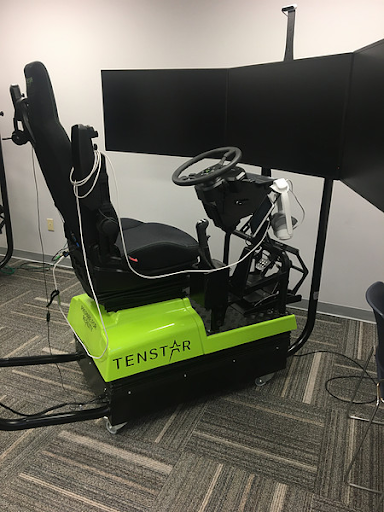
A driving school should emphasize hands-on learning through training on private ranges and public highways using modern equipment. Students practice in conditions that reflect real trucking environments rather than relying only on classroom simulations.
During hands-on training, students learn how to:
This type of repetitive, guided practice is critical for building confidence behind the wheel. New drivers gradually become more comfortable handling larger vehicles and making safe driving decisions under instructor supervision.
Safety remains one of the most important parts of CDL education. Commercial vehicles operate differently from passenger vehicles, and mistakes can have serious consequences.
Training programs focus heavily on helping students develop safe habits early. ATDS specifically highlights safety and professionalism throughout its curriculum, preparing students to maintain awareness in real traffic conditions and respond appropriately to unexpected situations.
Safety-focused instruction should include much of the following:
Defensive driving Helps drivers anticipate hazards
Vehicle inspections Reduces breakdowns and safety risks
Backing procedures Prevents common accidents
Space management Improves reaction time and visibility
Weather awareness Helps drivers adjust to road conditions
Fatigue education Encourages responsible driving habits
These lessons help students build habits that can support safer driving throughout their careers.
Learning on updated equipment can make a major difference for new drivers entering today’s trucking workforce. At ATDS, we use modern training vehicles and offer instruction on both manual and automatic transmission trucks.
Exposure to different vehicle types helps students become more adaptable and comfortable in a variety of driving situations. It also allows future drivers to better understand the technology and systems commonly used throughout the industry.
Modern equipment training may include:
By practicing on equipment similar to what employers use, students can feel more prepared when transitioning into their first driving job.
A major goal of any truck driving program is preparing students for CDL testing. This includes both the written knowledge exams and the hands-on skills evaluations required by the state. Appreciate the benefit of all-in-one CDL testing with state-approved third-party examiners, helping simplify the testing process for students.
Before testing, students spend significant time practicing key evaluation areas, including:
Having instructors guide students through these skills repeatedly can help reduce testing anxiety and improve readiness for exam day.
Many adults pursuing trucking careers are balancing work, family, or other responsibilities while training. Flexible scheduling can make CDL education more accessible.
This flexibility allows more students to pursue training without completely disrupting their current responsibilities. For many people, that can make the process of changing careers feel far more manageable.
For many students, earning a CDL represents the beginning of a completely new professional path. Truck driving can offer opportunities for travel, income growth, job stability, and career advancement across many areas of the transportation industry.
At ATDS Truck Driving School, we focus on helping future drivers gain the skills and practical experience needed to move forward with confidence. If you’re ready to explore CDL training and start preparing for a new career on the road, we’re here to help you take the next step.